Get Void Filling in Lansing, MI
Void filling services help property owners in Lansing, MI, and nearby areas by sealing gaps, holes, or empty spaces in walls, floors, or foundations to improve safety and stability.
Property owners in Lansing, MI, who are planning renovation or repair projects often encounter the need to address gaps, voids, or uneven areas within building structures. Void filling services can help ensure that spaces are properly stabilized, insulated, and sealed, contributing to the overall safety and efficiency of a property. Exploring local contractors who specialize in this work allows property owners to compare options and find solutions tailored to their specific needs, whether for residential or commercial spaces.
By connecting with experienced service providers in the Lansing area, property owners can access the expertise needed to handle various void filling applications, from foundation repairs to insulation enhancement. Keeping informed about available local options can support effective project planning and help ensure that the work is completed to meet the unique requirements of each property. Continue exploring to find the right professionals for your project needs.
- Void Filling - needed when filling gaps or cavities in walls, floors, or ceilings to restore structural integrity.
- Foundation Repair - required when settling or shifting causes voids beneath a building's foundation, risking stability.
- Basement Restoration - necessary after water damage or mold issues create voids that need to be safely filled and stabilized.
- Concrete Repair - used to fill voids left by cracked or deteriorated concrete surfaces in sidewalks, driveways, or patios.
- Industrial Maintenance - performed when machinery or structural components develop voids that could compromise safety or function.

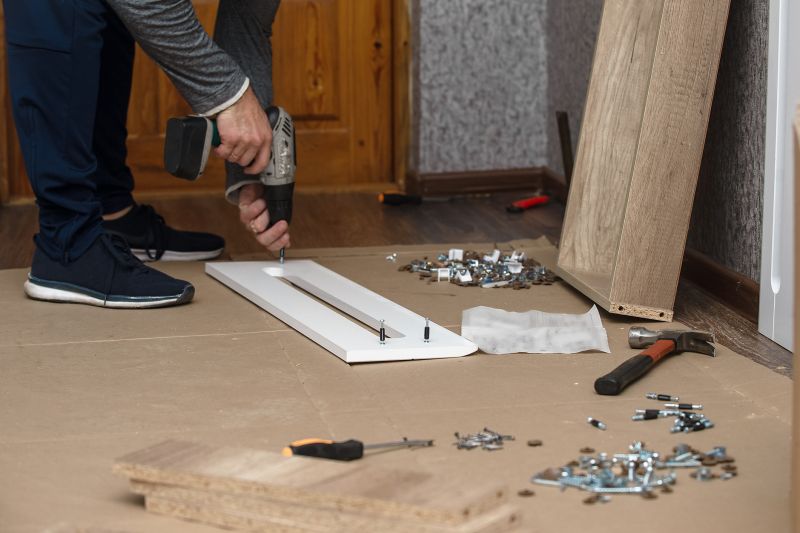

Void filling services involve the process of identifying and sealing gaps or empty spaces within walls, floors, or other structural elements of a property. These gaps can develop over time due to settling, shifting, or minor structural movements. Skilled service providers use specialized materials and techniques to fill these voids effectively, helping to restore the integrity of the building. Proper void filling can prevent issues such as drafts, pest infiltration, and moisture intrusion, contributing to a more comfortable and secure living environment.
This service is particularly helpful for resolving problems caused by structural settling or movement that creates hollow spaces behind walls or under floors. When these voids are left unaddressed, they can lead to increased energy costs due to air leaks, or even cause structural damage over time. Homeowners who notice unexplained drafts, uneven flooring, or unusual sounds within their walls may benefit from void filling. Addressing these issues promptly can improve the stability of the property and help avoid more costly repairs in the future.
Void filling is commonly used in a variety of property types, including single-family homes, multi-unit buildings, and commercial structures. Residential properties that have experienced foundation settling or minor shifting often require this service to maintain structural soundness. Older homes, especially those in areas with expansive soils or frequent ground movement, are more likely to need void filling. Additionally, properties undergoing renovations or repairs might require voids to be filled as part of the process to ensure the building’s stability and energy efficiency.
Homeowners in Lansing, MI, and nearby areas who suspect they have voids behind walls or under floors can benefit from consulting with local contractors experienced in void filling. These professionals can assess the property’s condition, identify problematic areas, and recommend appropriate solutions. Whether addressing drafts, noise, or potential structural concerns, connecting with qualified service providers can help ensure the work is done correctly and effectively, providing peace of mind and a more comfortable home.
The overview below groups typical Void Filling projects into broad ranges so you can see how smaller, mid-sized, and larger jobs often compare in Lansing, MI.
In many markets, a large share of routine jobs stays in the lower and middle ranges, while only a smaller percentage of projects moves into the highest bands when the work is more complex or site conditions are harder than average.
Smaller Repairs - Typically, local contractors charge between $250 and $600 for routine void filling jobs such as sealing small gaps or cracks. Many standard repairs fall within this range, depending on the size and location of the area. Larger or more complex jobs can exceed this, but they are less common.
Moderate Projects - Mid-sized void filling projects, like filling larger cavities or multiple areas, often cost between $600 and $1,500. These projects are common for home or commercial building maintenance and usually involve more labor and materials.
Large-Scale Installations - Larger projects, such as filling extensive voids in commercial structures or multiple floors, can range from $1,500 to $3,500. Many contractors handle projects in this range regularly, though costs can vary based on specific site conditions.
Full Replacement or Complex Jobs - For comprehensive filling tasks involving significant demolition or custom work, costs can reach $5,000 or more. These higher-end projects are less frequent but are necessary for major renovations or structural repairs in Lansing-area buildings.
Actual totals will depend on details like access to the work area, the scope of the project, and the materials selected, so use these as general starting points rather than exact figures.
Foundation Repair Projects - local contractors often perform foundation repairs that require void filling to stabilize and support structures.
Underground Utility Installation - installing pipes, cables, or conduits underground involves filling voids to ensure proper alignment and stability.
Excavation and Backfill Services - excavation projects frequently require void filling to restore ground level and prevent settling issues.
Road and Pavement Restoration - repairing or repaving roads may involve void filling to maintain surface integrity and safety.
Landscaping and Grading Projects - grading work often includes filling voids to create even surfaces and proper drainage.
Basement Waterproofing - sealing and filling voids around basement walls helps prevent water intrusion and structural damage.

When comparing service providers for Void Filling projects, it’s important to consider their experience with similar types of work. Homeowners should look for local contractors who have a proven track record of handling projects comparable in scope and complexity. This can help ensure that the pros understand the specific requirements and challenges associated with void filling in structures similar to the home’s foundation or walls. Asking for details about past projects or reviewing portfolios can provide insight into their familiarity with the work and their ability to deliver quality results.
Clear written expectations are essential when evaluating potential service providers. Homeowners should seek detailed descriptions of the scope of work, materials to be used, and any specific methods or standards the contractor follows. Having this information in writing helps prevent misunderstandings and ensures that both parties are aligned on what will be done. It’s also beneficial to discuss how issues or changes will be communicated and addressed throughout the project, fostering transparency and trust from the outset.
Reputable references and effective communication are key factors in selecting a reliable contractor. Homeowners should ask for references from previous clients who had similar work completed, providing an opportunity to learn about their experiences and satisfaction levels. Good communication-prompt responses, clarity, and professionalism-can make the process smoother and more predictable. Remember, the site helps connect individuals with local service providers capable of handling Void Filling projects; it is not involved in performing the work itself but serves as a resource to compare and contact qualified contractors in the area.
Property owners in Lansing, MI use Void Filling services for practical projects around their homes and businesses. This guide focuses on everyday jobs and straightforward project options.
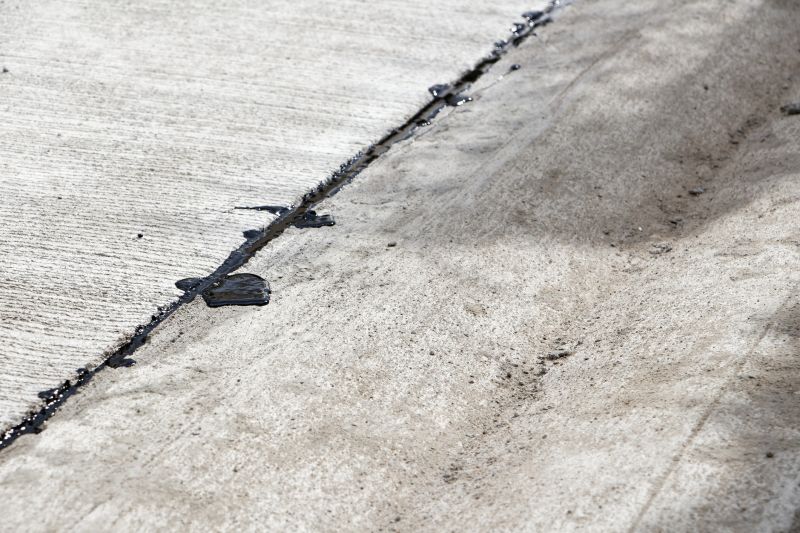
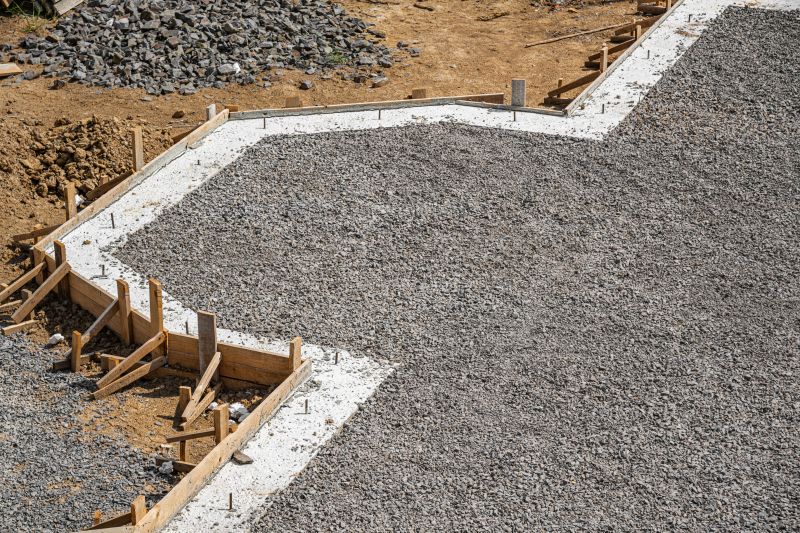
Void filling services are commonly needed for property owners in Lansing, MI, when settling foundation cracks or repairing gaps around windows and doors. These small openings can develop over time due to shifting soil, weather changes, or settling foundations. Addressing these issues promptly helps maintain the structural integrity of a building and prevents minor problems from escalating into more costly repairs.
Homeowners and property managers might also seek void filling when preparing a property for renovation or weatherproofing. Filling gaps and empty spaces around pipes, vents, or utility lines can improve energy efficiency and reduce drafts. Local contractors experienced in these services can help ensure that these common everyday project needs are handled efficiently, supporting the ongoing maintenance and stability of properties in the Lansing area.
What is void filling in construction projects? Void filling involves filling gaps or empty spaces in structures to ensure stability and prevent issues like shifting or settling.
Which types of materials are used for void filling? Common materials include foam, grout, soil, or specialized fillers, depending on the application and location.
How do I find local contractors for void filling services? You can contact service providers in Lansing, MI, and nearby areas who specialize in construction and foundation work to compare options.
Are void filling services suitable for residential or commercial projects? Yes, local contractors offer void filling solutions for both residential and commercial building needs.
What factors should I consider when choosing a void filling service? Consider the experience of the service provider, the materials they use, and their ability to handle the specific requirements of your project.
Filling Voids in Foundations - Property owners can work with local contractors to fill gaps in basement or foundation walls to improve stability.
Sealing Gaps in Concrete Slabs - Filling empty spaces under concrete slabs can prevent shifting and cracking in driveways or patios.
Filling Voids in Landscaping - Local service providers can help fill empty spaces around retaining walls or garden beds for a more even surface.
Addressing Gaps in Crawl Spaces - Contractors can fill voids in crawl spaces to enhance insulation and prevent pest intrusion.
If you are thinking about Void Filling for a property in Lansing, MI, this guide is meant to help you understand the work, the typical project types, and how different options might fit your plans.
When you are ready, you can use the quote form on this page to share a few details about your project. From there, local pros can review the basics and respond with options that match what you have in mind.